Exploring Payday Loans: Benefits, Drawbacks, and Alternatives
Payday loans have emerged as a popular financial resource for those in need of fast funds. These short-term loans can provide immediate relief but often come with steep interest rates and aggressive repayment practices. While they may seem like a viable option for some, the potential risks can lead to deeper financial troubles. Grasping both the benefits and drawbacks is crucial. Which alternative approaches could present a more stable financial path? What you discover could be quite unexpected.
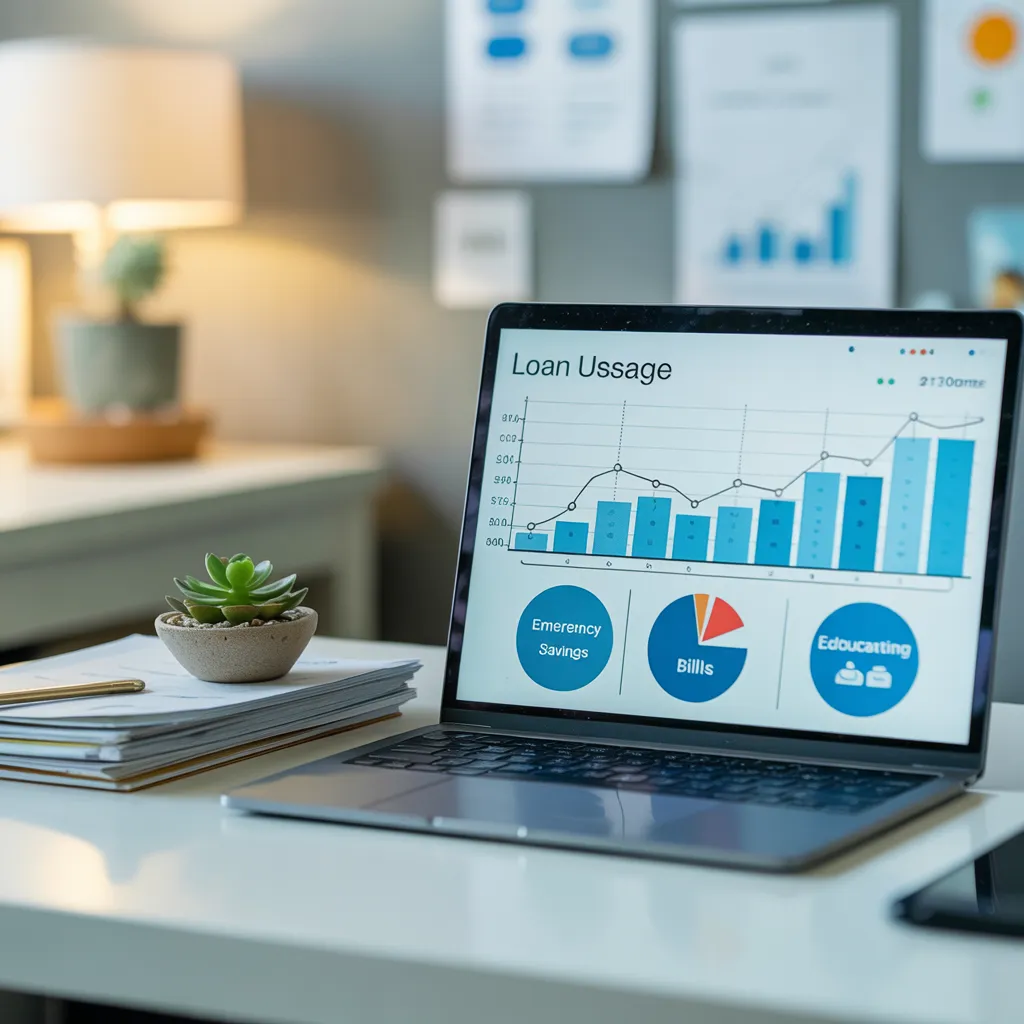
What Are Payday Loans and How Do They Operate?
Payday lending products are brief, high-interest financial instruments designed to provide instant funds to individuals dealing with pressing financial needs. Generally, these loans vary from $100 to $1,000 and are intended to cover costs until the borrower receives their next paycheck. The request process is typically uncomplicated, frequently demanding limited paperwork, which benefits people experiencing urgent financial hardships.
Borrowers typically write a postdated check or approve an electronic withdrawal for the loan amount plus fees, which can be considerable. The payback period usually covers a two to four week timeframe, aligning with the next scheduled payday of the borrower. Not repaying the loan by the due date can lead to additional fees and potential cycles of debt, as individuals may be compelled to take out new loans to cover old ones. Gaining insight into the workings of payday loans is vital for people exploring this choice as a rapid monetary solution.
Critical Payday Loan Risks You Need to Be Aware Of?
Even though payday loans can look like an easy answer to financial hardships, they come with significant risks that can worsen a borrower's financial circumstances. Excessive interest rates are a key worry, often surpassing 400% per year, causing burdensome repayment figures. Many borrowers find themselves trapped in a cycle of debt, securing additional loans to cover existing ones, leading to mounting financial pressure. Furthermore, the brief repayment window—commonly no more than two weeks—can force people into impulsive financial decisions without fully understanding the terms. Late payments may incur additional fees, further complicating finances. Beyond that, payday loans can negatively impact credit scores if payments are missed, restricting upcoming lending opportunities. Borrowers should also be aware of aggressive collection practices that may emerge when borrowers fail to meet deadlines. Such dangers underscore the need to explore other options before choosing a payday loan.
The Advantages of Payday Loans
Payday loans provide numerous benefits that render them appealing to borrowers in need of quick funds. With quick access to cash and limited qualification requirements, they can be a viable option for those dealing with urgent financial needs. Moreover, versatile repayment options can enable borrowers to manage their financial obligations more effectively.
Quick Access to Cash
Securing immediate money proves highly beneficial for people dealing with sudden costs or monetary crises. Payday lending delivers a rapid remedy, often providing funds within a single business day. Such speed can be essential for those needing to cover urgent bills, medical expenses, or pertinent details car repairs. Unlike traditional loans, which may involve lengthy approval processes, payday lending solutions usually demand fewer documents and allow online applications. This accelerated process permits borrowers to tackle their financial obligations promptly, minimizing the anxiety linked to late bills. Moreover, the flexibility of securing money at a moment's notice can make payday loans an appealing option for individuals facing monetary difficulties, empowering them to reclaim command of their monetary circumstances with greater speed.
Basic Eligibility Requirements
Numerous people discover the minimal application prerequisites of short-term loans advantageous, as these loans typically demand less documentation and fewer eligibility criteria than conventional lending alternatives. Applicants generally only need to submit evidence of earnings and identification documents, making the application process straightforward. This level of availability proves especially helpful for borrowers with minimal credit backgrounds or unfavorable credit standings who often face challenges qualifying for standard loans. Furthermore, short-term lenders commonly skip thorough credit evaluations, allowing for quicker access to funds. This accessible method can act as a financial safety net for individuals facing urgent financial needs, permitting them to access money without the extended processing times linked to conventional banking establishments. Therefore, minimal qualification requirements cater to a wide range of borrowers.
Flexible Repayment Options
Flexible repayment options are a notable advantage of payday loans, enabling borrowers to customize their repayment schedules according to their personal financial needs. Several lenders present flexible conditions, enabling borrowers to choose a repayment schedule that matches their income cycle. This versatility can reduce the pressure of swift repayment, providing borrowers with the opportunity to manage their finances more effectively. Additionally, some lenders may allow extensions or alterations to the repayment term, accounting for sudden variations in a borrower's monetary conditions. This adaptability can be essential for individuals facing temporary cash flow issues, as it creates a repayment experience that is more feasible and less stressful, thereby encouraging a more balanced perspective on lending and fiscal accountability.
Who Should Think About Taking a Payday Loan?
Individuals experiencing financial emergencies may find payday loans to be an effective solution for quick financial assistance. People with restricted availability to standard financial institutions often resort to these loans to cover pressing financial needs. Knowing the circumstances that justify such a course of action is essential for responsible borrowing.
Financial Emergencies and Urgencies
Financial emergencies can arise unexpectedly, forcing people to seek fast monetary assistance. Those confronted with abrupt healthcare bills, automobile maintenance costs, or unanticipated charges may consider payday loans as a viable option. Such loans provide rapid access to money, usually without thorough credit evaluations, making them attractive to individuals with restricted financial means. However, it is important to recognize that payday loans often come with high interest rates and short repayment terms. Consequently, they might not be appropriate for all borrowers. People with a consistent income and a clear plan for repayment may find these loans manageable, whereas others could worsen their existing financial difficulties. Evaluating the risks and benefits is essential before proceeding with a payday loan.
Limited Availability of Credit
Many people experiencing a lack of credit access may consider payday loans as a potential solution for their pressing financial circumstances. Those with unfavorable credit backgrounds, those lacking traditional banking relationships, or individuals who are ineligible for conventional loans regularly discover themselves in situations where payday loans seem appealing. These loans provide fast availability of money without thorough credit evaluations, making them a viable option for those in urgent financial distress. However, borrowers should be cautious, as steep interest rates and limited repayment timeframes can lead to a cycle of debt. As a result, borrowers should carefully evaluate the benefits and drawbacks and investigate other possibilities, such as cooperative financial institutions or local support initiatives, before committing to a payday loan.
Exploring Alternatives to Payday Loans
What options do borrowers have to avoid turning to payday loans? There are various alternatives capable of providing the needed financial relief without the costly burdens of payday loan services. Credit unions frequently provide modest, low-rate loans tailored for members experiencing financial hardships. In addition, personal loans available through established banks or online financial institutions can present more beneficial terms, giving borrowers the ability to pay off their balance over a greater span of time.
One further possibility is negotiating payment plans with creditors, which can relieve short-term financial stress without taking on additional debt. Additionally, local nonprofits and community groups may offer emergency assistance programs to assist individuals facing hardship. For people fortunate enough to have a supportive network, borrowing from them can be a viable way to avoid high-interest loans. Examining these possibilities can enable individuals to make well-informed financial decisions, ultimately leading to better financial stability and a diminished need for high-cost lending solutions.
Making Smart Financial Choices About Payday Loans
Maneuvering the challenges of payday loans requires careful consideration and awareness. People in need of financial assistance must assess their existing financial circumstances and decide if a payday loan is truly needed. Grasping the substantial interest rates and likelihood of debt traps is essential before proceeding.
Researching different creditors can further provide insights into terms and conditions, enabling borrowers make educated decisions. Evaluating additional alternatives, such as personal loans or credit counseling, can yield improved financial results.
Furthermore, loan seekers should examine their financial ability to meet repayments to prevent additional financial burden. Creating a structured budget and identifying extra sources of income can reduce reliance on fast loans.
Ultimately, making informed financial decisions about payday loans means prioritizing long-term financial health over short-term fixes. Careful borrowing, combined with a thorough understanding of the related risks, can enable individuals to manage their financial difficulties more successfully.
Frequently Asked Questions
What Are the Common Repayment Terms for Payday Loans?
Typical repayment terms for payday loans span from two weeks to one month. Borrowers usually owe the full loan amount plus fees by their next payday, generating significant financial stress for those who have trouble making timely repayments.
How Do Payday Loan Rates Compare With Other Financing Options?
The fees associated with payday loans are frequently much higher than the fees charged by traditional bank loans and credit cards. Such a gap renders payday loans a high-cost borrowing alternative, resulting in possible financial hardship for borrowers in need of fast funds.
Can I Refinance a Payday Loan?
Yes, refinancing a payday loan is possible, typically by obtaining a new loan to settle the current one. However, borrowers should consider the potential for increased fees and interest, which could worsen their financial situation.
Is Payday Lending Legal in Every State?
Payday lending is not permitted across all states. Regulations vary considerably, with some states prohibiting them entirely, while some states apply rigorous restrictions on interest rates and lending procedures, safeguarding consumers throughout the process.
What Should I Expect if I'm Unable to Repay a Payday Loan on Time?
If a borrower cannot repay a payday loan on time, they could face extra charges, encounter mounting financial obligations, or experience collection actions. This scenario has the potential to damage their credit rating and financial well-being.